





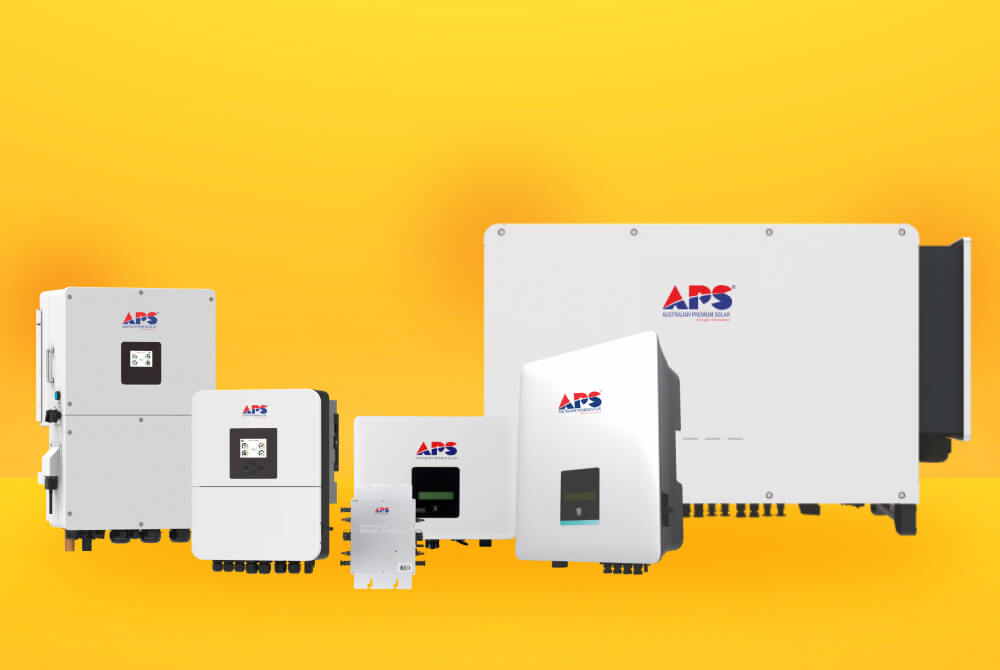
Solar panels are responsible for generating electricity from sunlight, but they cannot directly supply usable AC power to most appliances in your home. This is where a solar inverter system plays an important role.
A solar inverter converts the DC electricity generated by solar panels into AC electricity that can be used by household appliances and other electrical loads. But not every inverter works in the same way. Depending on your energy requirements, access to the electricity grid and need for battery storage, you can choose from different types of solar inverters.
The three most common categories are on-grid, off-grid and hybrid inverters.
What Is a Solar Inverter?
A solar inverter is one of the key components of a solar power system. Solar panels generate electricity in direct current (DC), while most household appliances operate using alternating current (AC).
The inverter converts the electricity generated by the panels into a form that can be used by your home or supplied to the grid, depending on the type of system installed.
A typical solar inverter system may include:
- Solar PV panels
- Solar inverter
- Mounting structure
- Electrical protection equipment
- Monitoring system
- Battery storage, where applicable
The right inverter depends on how you want to generate, use, store and manage solar energy.
Main Types of Solar Inverters
The three primary categories are:
- On-Grid Solar Inverter
- Off-Grid Solar Inverter
- Hybrid Solar Inverter
Each has a different role and is suitable for different applications.
1. On-Grid Solar Inverter
An on-grid inverter, also known as a grid-tied inverter, is designed to work alongside the electricity grid.
During the day, solar panels generate electricity and the inverter converts it into AC power for use by your home or business.
If the solar system produces more electricity than the property needs, the excess may be exported to the grid, subject to applicable regulations and electricity arrangements.
How an On-Grid System Works
Solar Panels → On-Grid Inverter → Home Loads → Excess Power to Grid
Advantages of On-Grid Inverters
- Suitable for properties connected to the electricity grid
- Generally simpler than battery-based systems
- Can help reduce electricity purchased from the grid
- Allows excess solar generation to be exported, where permitted
- Suitable for residential and commercial applications
Who Should Consider an On-Grid Inverter?
An on-grid solar inverter for home use can be suitable for homeowners who have a reliable grid connection and primarily want to reduce their electricity bills through solar generation.
One important consideration is that standard grid-connected solar systems generally shut down during a grid outage for safety reasons. They are therefore not intended to provide backup power during a blackout unless the system has appropriate backup functionality and equipment.
2. Off-Grid Solar Inverter
An off-grid inverter is designed for properties that operate independently of the electricity grid.
These systems are commonly used in locations where grid connectivity is unavailable, unreliable or impractical.
Because there is no grid connection to rely on, an off-grid system generally combines solar generation with battery storage and may also incorporate another backup power source depending on the application.
How an Off-Grid System Works
Solar Panels → Off-Grid Inverter → Home Loads
Excess Solar → Battery Storage → Power When Solar Generation Is Low
The battery stores energy generated by the solar panels so it can be used when sunlight is unavailable or solar production is insufficient.
Advantages of Off-Grid Inverters
- Enables independent power generation
- Suitable for remote locations
- Can work without a conventional grid connection
- Supports battery-based energy storage
- Can provide greater energy independence
Who Should Consider an Off-Grid System?
Off-grid solar can be particularly useful for:
- Remote homes
- Farms
- Rural properties
- Telecom or monitoring sites
- Locations without reliable grid access
However, an off-grid system needs to be carefully designed around the property’s energy consumption and battery requirements.
3. Hybrid Solar Inverter
A hybrid inverter combines solar generation, battery storage and grid connectivity within one integrated system.
This makes a hybrid solar inverter a flexible option for homeowners who want to use solar power while also having the ability to store excess energy for later use.
How a Hybrid System Works
During the day:
Solar Panels → Hybrid Inverter → Home Loads
Any suitable excess solar energy can be directed towards:
Battery Storage → Stored Energy
Later, when solar generation decreases:
Battery → Hybrid Inverter → Home Loads
Depending on the system design and configuration, a hybrid system can also interact with the electricity grid and may provide backup power for selected loads when suitable backup functionality is included.
Advantages of Hybrid Inverters
- Combines solar and battery management
- Can increase use of self-generated solar energy
- Supports grid-connected operation
- Can provide backup functionality with compatible systems
- Offers flexibility for future energy-storage requirements
Who Should Consider a Hybrid Solar Inverter?
A hybrid system can be a good choice for homeowners who want to install solar today while keeping battery storage as part of their energy strategy.
It can also be suitable for households with higher evening electricity consumption, where storing daytime solar energy for later use can be beneficial.
On-Grid vs Off-Grid vs Hybrid Solar Inverters
Understanding the key differences can make it easier to select the right system.
| Feature | On-Grid | Off-Grid | Hybrid |
|---|---|---|---|
| Grid connection | Yes | No | Yes |
| Solar panels | Yes | Yes | Yes |
| Battery storage | Optional/not normally required | Essential for most systems | Supported |
| Excess solar export | Possible | No grid export | Possible, depending on system |
| Backup during grid outage | Generally no | Yes | Possible with suitable backup configuration |
| Energy independence | Moderate | High | High |
| Typical application | Grid-connected homes & businesses | Remote/off-grid properties | Homes wanting solar + storage |
The exact functionality depends on the inverter model, system configuration and applicable electrical regulations.
Which Solar Inverter Is Best for Your Home?
There isn’t one inverter type that is best for every household.
Your choice should depend on several factors, including:
Your Grid Connection
If your property already has a reliable grid connection and your primary goal is to generate solar electricity and reduce grid consumption, an on-grid system may be suitable.
Your Need for Backup Power
If maintaining electricity during grid outages is important, consider a system with appropriate battery storage and backup functionality.
Your Location
For remote properties without practical access to the grid, an off-grid solar system may be more appropriate.
Your Future Energy Requirements
If you plan to add a battery, electric vehicle or other high-energy loads in the future, a hybrid system may provide greater flexibility.
Your Electricity Consumption
Understanding when and how much electricity your household uses is essential. A professional system assessment can help determine the appropriate inverter capacity and overall solar system configuration.
What Should You Look for in a Solar Inverter?
Beyond choosing between on-grid, off-grid and hybrid technology, homeowners should also consider the inverter’s specifications and features.
Look for:
- Appropriate inverter capacity
- High conversion efficiency
- Reliable protection features
- Suitable operating temperature range
- Monitoring capabilities
- Compatibility with the solar modules
- Battery compatibility, where required
- Appropriate warranty and after-sales support
- Compliance with applicable Indian standards and regulations
Choosing the right inverter is just as important as selecting quality solar panels because the inverter plays a central role in converting and managing the electricity generated by your system.
Why Choosing the Right Solar Inverter Matters
A solar installation is more than just a collection of solar panels. The inverter acts as the link between solar generation and the electricity your property actually uses.
Whether you choose an on-grid solar inverter, an off-grid system or a hybrid solar inverter, the right configuration can help you make better use of the electricity generated by your solar panels.
At Australian Premium Solar (APS), we understand that every solar project has different energy requirements. Our focus is on providing reliable solar solutions designed around the needs of residential, agricultural and commercial customers.
Choose the Right Solar Inverter for Your Solar System
Understanding the different types of solar inverters is the first step towards selecting the right solar solution.
On-grid systems are ideal for many grid-connected properties, off-grid systems are designed for energy independence, while hybrid systems combine solar generation with battery storage and grid connectivity.
Before investing in a solar inverter for home, consider your current electricity consumption, backup requirements, property location and future energy needs. A professional solar assessment can help you select the right inverter and system configuration for your requirements.
Looking for a reliable solar solution? Explore APS solar products and find the right system for your energy needs.