

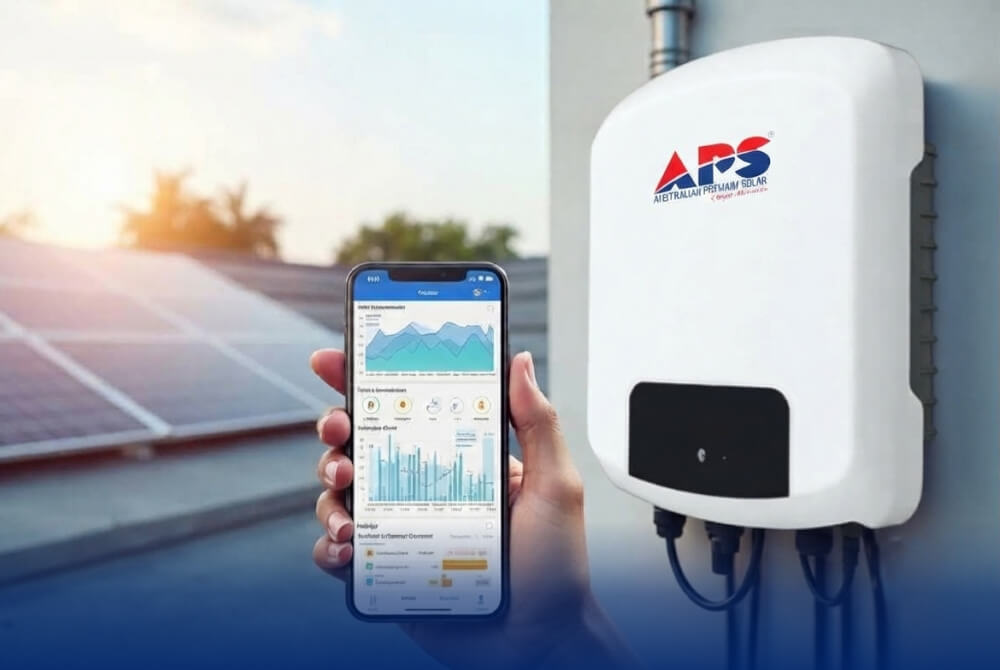
A solar system is designed to generate clean electricity consistently, but like any electrical system, its performance can change over time. Dust, shading, temperature, grid fluctuations, equipment faults and communication issues can all affect how much energy a solar system produces.
This is where solar inverter monitoring becomes important. By tracking the operating condition and energy output of an inverter, monitoring systems can help identify unusual changes before they become larger performance problems.
For homeowners, businesses and solar system operators, regular solar system monitoring provides useful visibility into how the system is performing. Instead of discovering a problem only after noticing a significant drop in electricity generation, users can often identify warning signs earlier and arrange the appropriate inspection or maintenance.
What Is Solar Inverter Monitoring?
Solar inverter monitoring is the process of tracking the operating status and performance of a solar inverter through a monitoring platform, display or connected application.
The inverter is an important part of a solar power system because it converts the electricity generated by solar panels into usable AC electricity. Monitoring allows users and service teams to observe information about the inverter and the wider solar system.
Depending on the inverter and monitoring platform, the available information may include:
- Current power generation
- Daily and historical energy production
- Inverter operating status
- Fault and warning notifications
- Grid-related information
- DC input and AC output data
- Communication status
- Performance trends over time
Why Solar System Monitoring Matters
A solar system can continue operating while producing less energy than expected. Without monitoring, this reduction may not always be immediately obvious.
For example, a system may experience a gradual reduction in generation because of:
- Solar panel soiling
- Partial shading
- High operating temperatures
- String-level issues
- Electrical connection problems
- Inverter warnings or faults
- Grid interruptions
- Communication failures
Solar system monitoring provides a way to identify changes in system behaviour and investigate them before they potentially result in extended periods of reduced generation.
Monitoring does not automatically determine the exact cause of every issue, but it provides useful information that can guide further troubleshooting.
How Inverter Monitoring Helps Identify Problems
1. Identifying Unexpected Drops in Energy Generation
One of the simplest ways monitoring can help is by showing changes in energy production over time.
If a system normally produces a similar amount of energy under comparable weather and operating conditions but suddenly produces less, the change may indicate a problem that requires investigation.
However, production should always be evaluated in context. Cloud cover, seasonal changes, shading and temperature can naturally affect solar generation.
Looking at longer-term trends is generally more useful than reacting to one low-generation day.
2. Detecting Inverter Faults and Warnings
Modern inverters can report faults, warnings and operating-status information through their monitoring systems.
A notification may indicate an issue involving the inverter, grid connection, temperature, communication or another part of the system.
Importantly, an inverter warning does not always mean that the inverter itself has failed. The notification should be assessed alongside the system’s operating conditions and fault history.
Monitoring therefore acts as an early information source, allowing the issue to be investigated rather than ignored.
3. Recognising Overheating and Thermal Performance Issues
Solar inverters operate outdoors or in equipment areas where temperatures can become high, particularly during periods of strong sunlight.
Excessive temperature can affect inverter operation and may result in temporary performance limitations depending on the equipment and operating conditions.
Monitoring temperature-related information and comparing performance across different periods can help identify whether high operating temperatures may be contributing to reduced output.
This can also help service teams determine whether ventilation, installation conditions or other factors require inspection.
4. Finding Communication Problems
A monitoring platform depends on communication between the inverter and the monitoring system.
If communication is interrupted, the monitoring platform may stop receiving updated information even though the solar system itself may still be operating.
This distinction is important.
A monitoring alert showing that data is unavailable does not necessarily mean that the solar panels or inverter have stopped producing electricity. It may indicate a communication or connectivity issue that needs to be checked separately.
Solar Inverter Monitoring and Solar Inverter Maintenance
Monitoring and maintenance serve different purposes, but they work well together.
Solar inverter maintenance involves physically checking and servicing equipment when required. Monitoring, on the other hand, provides ongoing information about system operation.
Together, they can support a more proactive approach to system management.
For example, monitoring may identify an unusual generation trend. A qualified technician can then inspect the system to determine whether the cause is related to the inverter, panels, electrical connections, shading, temperature or another factor.
Regular maintenance may include appropriate inspections of:
- Inverter condition
- Electrical connections
- Cables and connectors
- Ventilation and installation environment
- Solar panels
- Mounting components
- Monitoring and communication equipment
The exact maintenance requirements depend on the system design, equipment and installation environment.
Solar System Performance Issues That Monitoring Can Reveal
Not every performance problem originates inside the inverter.
This is an important point when analysing solar system performance issues.
Monitoring data can help identify patterns that may point towards problems elsewhere in the system.
| Monitoring Observation | Possible Area to Investigate |
|---|---|
| Sudden drop in generation | Inverter, grid, shading or electrical issue |
| Repeated inverter warnings | Inverter or system operating condition |
| Different performance between strings | String, shading or connection issue |
| Reduced output during very hot periods | Temperature-related performance |
| Missing monitoring data | Communication or connectivity issue |
| Gradual reduction in generation | Soiling, shading, ageing or system condition |
| Unexpected shutdowns | Grid, protection or inverter-related issue |
These observations should not be treated as a diagnosis by themselves. A qualified solar professional should assess the system before corrective work is carried out.
Comparing Actual Performance With Expected Performance
One of the most useful aspects of solar monitoring is the ability to compare current performance with historical data.
For example, users can look at:
- Daily energy production
- Monthly production
- Seasonal trends
- Production during similar weather conditions
- Changes following maintenance
- Periods when faults or warnings were recorded
This makes it easier to distinguish a genuine performance concern from normal changes in solar generation.
A cloudy day, for instance, may naturally produce less electricity. A consistent reduction in production under otherwise comparable conditions deserves closer attention.
Monitoring Can Support Preventive Action
The main benefit of monitoring is not simply knowing that a problem exists. It is having information that can help identify a problem earlier.
Early detection can allow system owners or maintenance teams to investigate issues before they potentially develop into prolonged performance losses.
For example, a recurring inverter warning can be reviewed before the system experiences a complete shutdown. Similarly, an unusual change in generation can prompt an inspection for shading, soiling or electrical issues.
This approach can make solar system management more proactive rather than relying only on periodic physical inspections.
Why Monitoring Is Important for Commercial Solar Systems
For commercial and larger solar installations, monitoring becomes even more valuable because system performance can have a direct impact on energy costs and operational planning.
A monitoring platform can provide a central view of system operation and make it easier to identify unusual performance patterns.
For larger installations, monitoring may also help maintenance teams prioritise inspections by highlighting systems, inverters or sections that require attention.
This can be particularly useful when managing multiple solar installations or larger systems where manually checking every component on a frequent basis is impractical.
What Should You Do When Monitoring Shows a Problem?
If your monitoring system shows a warning, fault or unexpected drop in generation, avoid immediately assuming that the inverter has failed.
A sensible approach is to:
- Check the monitoring data and identify when the change started.
- Review the fault or warning message if one is available.
- Compare recent production with historical performance.
- Consider weather and environmental conditions, including cloud cover, shading and high temperatures.
- Check whether the issue affects the entire system or only part of it.
- Arrange a professional inspection if the issue continues or the system indicates a fault.
Do not attempt electrical repairs or open inverter equipment unless you are appropriately qualified to do so.
Monitoring and Long-Term Solar Performance
A solar investment is intended to provide value over many years. Maintaining visibility into system performance can therefore be an important part of long-term system management.
Regular monitoring can help establish a performance history, identify changes and provide useful information for maintenance decisions.
When monitoring is combined with appropriate maintenance and professional inspections, system owners have a better understanding of how their solar installation is operating.
It also helps shift solar maintenance from simply responding to failures towards identifying potential issues earlier.
APS Solar Inverter Solutions
At Australian Premium Solar (APS), we are committed to delivering reliable solar technology and innovative solutions
For solar systems where monitoring capability is available, access to operating and performance information can make it easier to track generation, identify unusual system behaviour and support timely maintenance.
Conclusion
Solar inverter monitoring provides valuable visibility into how a solar system is operating. By tracking energy production, inverter status, warnings and performance trends, monitoring can help identify potential problems earlier and support more informed maintenance decisions.
It is important to remember that monitoring is not a replacement for professional inspection. Instead, it works alongside solar inverter maintenance and regular system checks to help identify and investigate solar system performance issues.
For both residential and commercial installations, consistent solar system monitoring can play an important role in understanding system performance and maintaining reliable solar generation over time.
At Australian Premium Solar (APS), we are committed to delivering reliable solar technology and innovative solutions that help customers achieve consistent system performance and contribute to a cleaner, more energy-independent India.