





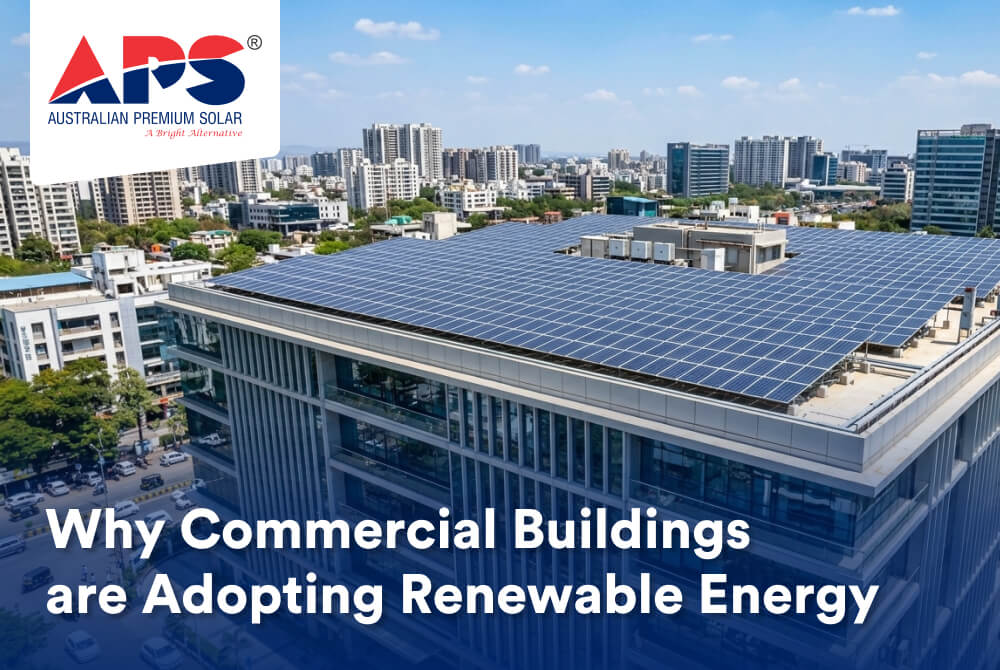
The commercial sector in India is undergoing a significant transformation as businesses increasingly seek ways to reduce operating costs, improve sustainability, and strengthen long-term profitability. One of the most effective strategies being adopted across industries is the use of renewable energy, particularly solar power.
From office complexes and shopping centers to manufacturing facilities and warehouses, commercial buildings are embracing solar energy as a reliable and cost-effective power source. As electricity prices continue to rise and environmental concerns gain greater attention, renewable energy for businesses is no longer just an option it is becoming a strategic business decision.
As one of India’s leading solar manufacturers, Australian Premium Solar India Ltd. (APS) is helping organizations transition toward cleaner and more sustainable energy solutions through advanced commercial solar solutions.
The Growing Need for Renewable Energy in Commercial Buildings
Commercial establishments consume substantial amounts of electricity daily. Lighting systems, air conditioning units, elevators, machinery, computers, and other operational equipment contribute to high energy consumption and rising utility expenses.
To address these challenges, many organizations are investing in commercial solar systems that generate clean electricity directly from sunlight.
Businesses are recognizing that solar energy can help:
- Reduce operational expenses
- Improve energy security
- Support sustainability goals
- Enhance brand reputation
- Generate long-term financial savings
These advantages are driving the rapid adoption of solar energy across India’s commercial sector.
Why Commercial Buildings Are Turning to Solar Energy
1. Significant Reduction in Electricity Costs
One of the primary reasons businesses invest in solar power is the opportunity to reduce electricity expenses. Commercial facilities often have high daytime energy consumption, which aligns perfectly with solar energy generation. By producing electricity on-site, businesses can reduce their dependence on grid power and lower monthly energy bills. Over time, these savings can significantly improve the return on investment of a solar installation.
2. Long-Term Financial Benefits
Unlike conventional energy sources that are subject to fluctuating tariffs, solar energy offers predictable and stable power generation. Once a commercial solar installation is completed, the system can continue generating electricity for decades with minimal operating costs.
This helps businesses:
- Improve cash flow
- Reduce long-term energy expenses
- Protect against rising electricity prices
- Increase overall operational efficiency
3. Meeting Sustainability and ESG Goals
Sustainability has become a key priority for organizations across industries. Investors, customers, and stakeholders increasingly expect businesses to demonstrate environmental responsibility.
Implementing Renewable Energy for Businesses helps companies:
- Reduce carbon emissions
- Lower environmental impact
- Support sustainability initiatives
- Strengthen ESG (Environmental, Social, and Governance) performance
Commercial solar systems provide a practical way for businesses to align their operations with global sustainability objectives.
4. Enhanced Energy Independence
Grid disruptions and power shortages can impact business operations and productivity. By investing in commercial solar solutions, organizations can gain greater control over their energy supply and reduce their reliance on traditional power sources. This contributes to improved operational stability and business continuity.
How Commercial Solar Systems Work
A Commercial Solar System typically consists of:
- Solar PV modules
- Inverters
- Mounting structures
- Monitoring systems
- Electrical protection equipment
The solar panels capture sunlight and convert it into electricity, which can then be used to power the building’s operations.
Any excess energy generated may be exported to the grid, subject to local regulations and net metering policies.
This allows businesses to maximize the value of their solar investment.
Industries Benefiting from Commercial Solar Installation
Solar energy is suitable for a wide range of commercial applications.
Manufacturing Facilities
Factories often operate energy-intensive machinery and equipment, making solar energy an effective solution for reducing electricity costs.
Office Buildings
Corporate offices can utilize rooftop solar systems to offset energy consumption from lighting, HVAC systems, and IT infrastructure.
Warehouses and Logistics Centers
Large rooftop spaces make warehouses ideal candidates for commercial solar installations.
Educational Institutions
Schools, colleges, and universities can benefit from lower operating costs while promoting environmental awareness.
Retail and Shopping Complexes
Retail establishments can reduce energy expenses and improve sustainability credentials through solar adoption.
Solar Energy for Commercial Buildings: Beyond Cost Savings
While cost reduction is a major driver, businesses are discovering additional benefits of solar energy.
Improved Corporate Reputation
Customers increasingly prefer brands that demonstrate environmental responsibility. Investing in solar energy for commercial buildings helps organizations showcase their commitment to sustainability and innovation.
Increased Property Value
Commercial properties equipped with solar energy systems often become more attractive to investors, tenants, and buyers due to their reduced operating costs.
Support for Green Building Initiatives
Solar energy contributes to green building certifications and sustainable infrastructure development. This can further enhance the value and marketability of commercial properties.
Factors to Consider Before Commercial Solar Installation
Before investing in solar energy, businesses should evaluate several factors:
Energy Consumption Patterns
Understanding current electricity usage helps determine the appropriate system size.
Available Roof Space
Adequate rooftop or open space is essential for maximizing solar generation.
Structural Suitability
Buildings should be assessed to ensure they can safely support the solar installation.
Future Expansion Plans
Businesses should consider future energy requirements when designing solar systems. Working with experienced solar providers helps ensure optimal system design and performance.
The Future of Renewable Energy for Businesses in India
India’s renewable energy sector continues to grow rapidly, supported by favorable policies, technological advancements, and increasing awareness of sustainability.
As solar technology becomes more efficient and affordable, adoption among commercial users is expected to accelerate further.
Future trends may include:
- Smart energy management systems
- Battery-integrated commercial solar systems
- Advanced monitoring platforms
- Higher-efficiency solar modules
- Increased focus on corporate sustainability initiatives
Businesses that invest in renewable energy today position themselves for long-term success in an increasingly energy-conscious marketplace.
Why Businesses Trust APS for Commercial Solar Solutions
Australian Premium Solar India Ltd. (APS) is committed to supporting India’s transition toward sustainable energy through high-quality solar products and innovative solutions.
As one of India’s leading solar manufacturers, APS focuses on delivering reliable solar technologies that help businesses:
- Reduce energy costs
- Improve operational efficiency
- Achieve sustainability goals
- Strengthen energy independence
- Maximize long-term returns
Our commitment to quality, innovation, and customer satisfaction makes APS a trusted partner for organizations seeking dependable commercial solar solutions.
Conclusion
The adoption of renewable energy is reshaping the future of commercial infrastructure in India. Rising electricity costs, sustainability goals, and the need for long-term operational efficiency are encouraging businesses to invest in solar power.
Through strategically designed commercial solar systems, organizations can reduce expenses, strengthen energy security, improve environmental performance, and enhance overall competitiveness.
As demand for renewable energy for businesses continues to grow, commercial solar solutions are becoming an essential investment for forward-thinking organizations. By embracing solar energy for commercial buildings, businesses can create a more sustainable, resilient, and profitable future.